
CRDC trials innovative approach to making research accessible
A new digital initiative in Cambridgeshire is helping to change the way patients learn about taking part in clinical research.
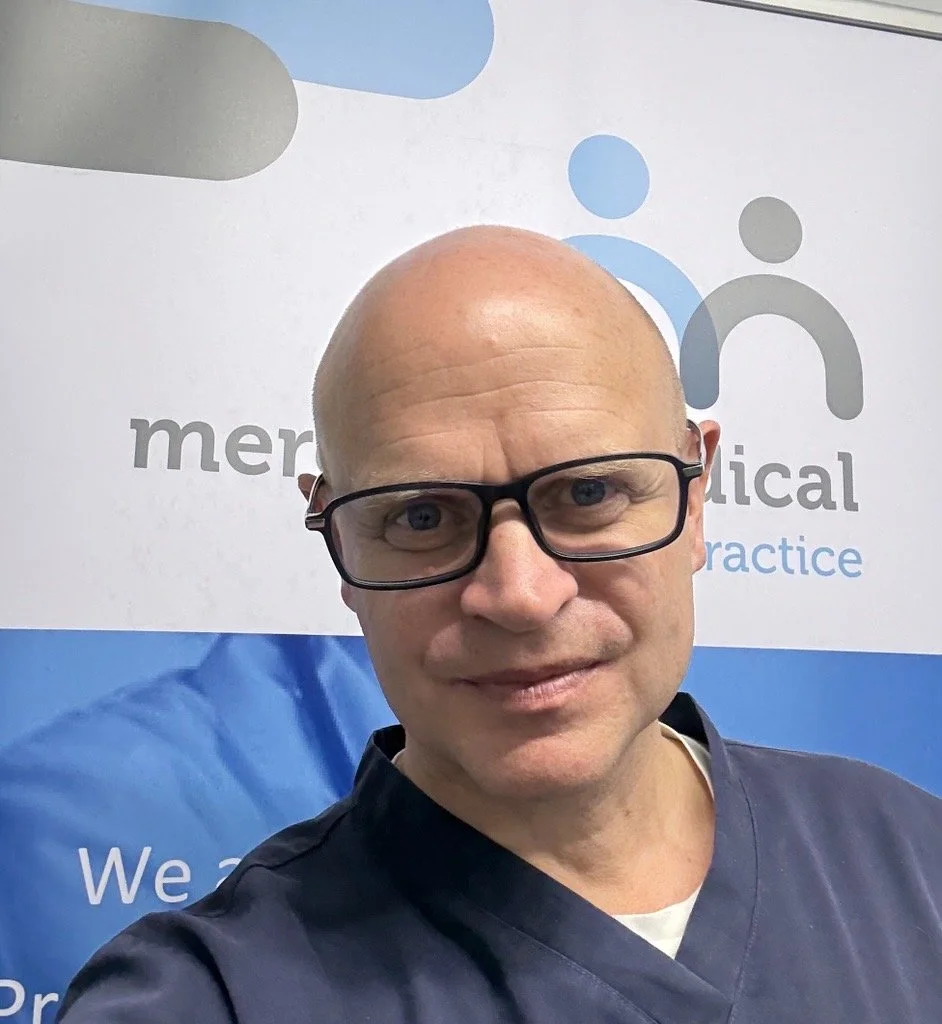
Dr Anthony Gunstone, NIHR Greater Cambridge and Suffolk CRDC Director.
At Mereside Medical, which includes Staploe Medical Centre, Cathedral Medical Centre and Haddenham Surgery, the research team has begun using computer‑generated avatars to explain study participation in simple, friendly video clips.
These short videos introduce what research involves and what participation might look like in practice. The idea emerged as the team looked for ways to make research information clearer and more accessible, particularly for people who find traditional written documents overwhelming.
The project sits within the Greater Cambridge and Suffolk Commercial Research Delivery Centre (CRDC) Primary Care launched in November 2025, with funding from the National Institute for Health and Care Research (NIHR) to accelerate commercial research in the UK.
For Dr Anthony Gunstone, NIHR Greater Cambridge and Suffolk CRDC Director, the motivation was straightforward; many patients struggle with the complexity and length of standard patient information sheets.
“Patient information sheets can be lengthy and challenging for many people to navigate,” he said. “Even people who work in research can find consent documentation difficult to read and digest.”
Using AI technology, the team has developed avatars based on real staff members, allowing patients to watch short, verbal explanations from familiar faces. Chief Operating Officer for Mereside Medical and Co‑Director for the CRDC, Dr Louisa Wood, explained:
“The commonly quoted health literacy age is around 9 to 11, which makes it hard to communicate complex medical concepts through written materials alone. Using clear spoken explanations, supported by simple on-screen text, allows us to explain things in a clearer and more accessible way.”
The videos can also be translated into multiple languages, supporting people for whom English is not a first language. Dr Gunstone explained that the videos have potential for greater consistency:
“That message can be from me, or the study nurse lead, who is someone patients trust and know in their community. It can also be used across the UK or evenly globally, standardising the information being delivered.”
The team sees these videos as part of broader efforts to improve awareness of research in primary care and to create a bridge between initial interest and the point where formal documentation is required.
As Dr Wood explained, “It’s about broader understanding and engagement with research, particularly for groups who are often under-represented. We can build a pool of potentially interested patients by sending them the simplified information before they come in for the formal paperwork.”
Better understanding of the study will also positively impact participant retention in research too.
The project has been made possible through CRDC funding, which the team says has enabled faster development. “If it wasn't for the CRDC funding, we wouldn’t have been able to develop this as we have,” Dr Gunstone said.
The team is now working with commercial research sponsors to incorporate avatar‑based materials into upcoming studies, with governance and regulatory approvals forming the next step.
The NIHR Greater Cambridge and Suffolk CRDC Primary Care is part of the CRDC UK Network, which offers sponsors access to high‑performing NHS research sites through a single national contact point. The network supports rapid study setup, decentralised approaches, and consistent delivery across the country.
Jenny Crooks, Network Operations Director for the CRDC UK Network, said: “It’s inspiring to see a project with such clear potential to break down barriers to research. Innovations like this show how the CRDCs are pushing forward new approaches, and we’re genuinely excited about what comes next.”
Looking ahead, Mereside Medical hopes this digital approach will contribute to national ambitions for expanding research in primary care. Dr Wood describes a long‑term goal to demonstrate how commercial research can be delivered at scale in GP‑led, urban, rural and semi‑rural settings. The initiative also supports the NHS’s 10‑year vision to shift more care from hospitals into community settings, sickness to prevention, and to move from analogue processes to digital tools that improve patient experience and understanding.
To find out more about delivering research through the CRDCs, or expanding commercial research into primary care, please contact the CRDC UK Network: www.crdcuknetwork.co.uk/work-with-us or email uhl-tr.crdcuk@nhs.net.